
Arthroscopy of the hip joint Dr. Majid Ghorbanzadeh
Arthroscopic operation of hip joint
- Dr. Majid Ghorbanzadeh
- 18 January 1403
Pelvic arthroscopy is a type of minimally invasive surgery, and doctors can observe different parts of the hip joint without making a cut in the skin and muscles. They can easily evaluate the condition of the soft tissues of this area. In general, arthroscopic surgery is among the therapeutic processes [...]


Pelvic arthroscopy is a type of minimally invasive surgery, and doctors can observe different parts of the hip joint without making cuts in the skin and muscles.
They can easily evaluate the condition of the soft tissues of this range.
Generally Toggle
Anatomy of the pelvis or hip
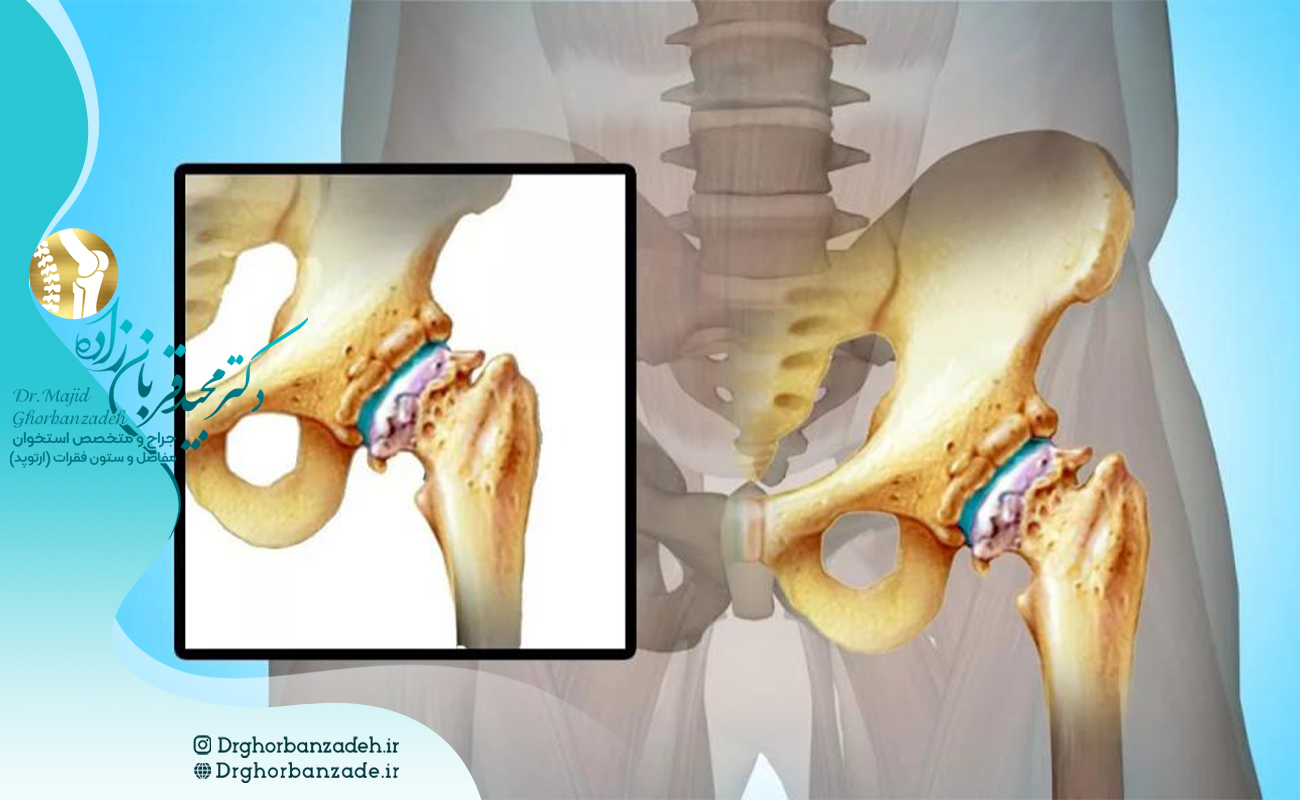
Anatomy of the pelvis It is spherical and bowl-shaped.
The socket is formed by the acetabulum, which is part of the large hip bone.
The ball is the end of the femur bone, which is the upper end of the femur bone (thighbone), a slippery tissue called articular cartilage covers the surface of the ball and the cavity.
This cartilage creates a smooth, frictionless surface that helps the bones slide over each other easily.
The acetabulum is surrounded by a strong fibrocartilage called the labrum, which forms a gasket around the socket.
The joint is surrounded by bands of tissue called ligaments, these ligaments form a capsule that holds the joint together.
The lower surface of the capsule is covered by a thin membrane called synovium, which produces a synovial fluid that lubricates the hip joint.
When is hip arthroscopy performed?
When Is hip arthroscopy performed?Injury of the hip joint causes many movement restrictions for people, although these disorders are accompanied by a lot of pain and cause extensive movement problems.
For people who pass middle age, hip joint replacement is the best solution to solve the problem.
For younger people who do not need hip joint replacement, arthroscopy is a more practical process.
Thus Specialists can evaluate any kind of injury or abnormality and they will adopt the best treatment method.
Arthroscopy is suitable for those who are diagnosed with hip impingement.
In such a situation, if the bones are damaged, the doctor can apply changes to the damaged parts through arthroscopy.
If people regularly experience joint noise and this wear is related to the tendons. and the joints are protruding in certain parts, their condition can be corrected through arthroscopy.
If a tear has occurred in the ring of cartilage that surrounds the pelvic cavity, many problems arise for the movement system of people, but it can be treated through arthroscopy.
If the doctor diagnoses patients with bone spurs or hip joint infection, specialists can make the necessary corrections in this part with arthroscopy.
The condition of the pelvis and the movement system of people with torn tendons is compromised, and synovitis, which causes inflammation in the joint lining, may be very troublesome for people.
With all these interpretations, arthroscopy is useful for all the problems that arise, and specialists can use this specialized method to improve the condition of patients.
Who is hip arthroscopy suitable for?
Determining whether a person is suitable for hip arthroscopy surgery or not will depend on the individual's problems and clinical conditions.
People who have the following conditions can be good candidates for arthroscopy:
Progressive course of the disease
If your daily activities are affected by hip problems and reduce your quality of life, and non-surgical treatments have not been effective, arthroscopy The hip may be a suitable option.
Read more Ankle ArthritisTissue Problems
If you have problems such as fractures, ligament damage, arthritis or cartilage lesions in the hip, hip arthroscopy can be effective in diagnosing and treating these problems.
Chronic pain
If you have chronic pain in the hip and it is not controlled by continuous non-surgical treatments, hip arthroscopy may be effective in reducing pain and improving your quality of life.
Diagnostic arthroscopy
In some cases, hip arthroscopy can be used as a diagnostic method to closely examine the condition of the joint and diagnose problems such as arthritis or ligament injuries.
The most important benefits of hip arthroscopy
 The most important benefits of hip arthroscopy
 When it comes to arthroscopy, people look for benefits. and the disadvantages of this method.
According to experts, the benefits of arthroscopy are many and if this method of treatment is considered for people, they will definitely end up with good results and they will experience recovery from injuries and diseases very soon.
One of the most important advantages of arthroscopy can be mentioned very few and limited incisions on the body surface. They do not experience bleeding, infection and inflammation at the incision site.
But you should know that due to arthroscopy, the least amount of damage is done to the muscles, ligaments and adjacent tissues.
This method is considered one of the low-risk operations and that is why most experts consider arthroscopy surgery more suitable for improving injuries related to the hip joint.
All those who have performed arthroscopy and have experienced a faster recovery than other patients who were treated with different methods.
They believe that no part of these small wounds will remain on the surface of the body.
On the other hand, to perform hip surgery or hip joint arthroscopy, there is no need to be hospitalized in medical centers, and the recovery period is very short and ultimately a few days.
What diseases can be treated with the help of hip arthroscopy Is it treated?
In order to reduce hip joint pain, non-surgical methods such as rest, physical therapy, drug therapy, or injections are usually used first.
If these methods do not have enough effect, hip arthroscopy is suggested as the next step.
This method is usually performed to treat the following problems:
- Removal of loose pieces of bone or Cartilages that float inside the joint and cause pain by getting stuck between bone surfaces. Labrum tear repair; The labrum is a cartilage on the edge of the hip joint that plays an important role in maintaining joint fluid, and its rupture can cause chronic pain and a feeling of instability.
In addition, arthroscopy is used in some other problems, including:
- Hip joint jamming (impingement); A condition in which the bone blade in the head of the femur or the acetabulum cavity damages the surrounding tissues.
- synovitis; Inflammation of the inner tissue of the hip joint
- voicing hip syndrome; which is caused by wear or repeated contact of the tendon
- Hip joint infection
Measures before arthroscopy operation
Before surgery, it is important to consult with your doctor and discuss all your questions and concerns so that you have a clear understanding of the procedure and possible outcomes.
The doctor may prescribe blood tests, imaging such as MRI or X-ray, and other diagnostic tests to fully evaluate the general condition of the body and the affected area.
Write down the date and time of the surgery carefully and make sure you have no other plans that day.
Tell your doctor about all medications you are taking, especially blood thinners, as some may need to be stopped a few days before the procedure.
It is usually recommended to avoid eating and drinking the night before surgery, especially if the surgery is to be performed under general anesthesia.
To reduce anxiety, keeping calm and using techniques such as deep breathing or meditation can be very helpful.
Since you will need help with daily activities after surgery, it is best to plan in advance who will be with you when you return home and during the initial days of recovery.
On the day of the operation, wear comfortable and loose clothes so that it is easy to change them.
Familiar with the recovery period, post-surgery care and necessary items such as medicines, cold packs or other equipment in advance and prepare everything so that the recovery period goes more smoothly.
How is arthroscopic surgery performed?
Surgery How is arthroscopy performed?The most important thing you should know about arthroscopic surgery is that this operation is one of the outpatient treatment methods.
If the patients are in a balanced physical condition, they will be discharged and return home on the same day.
However, sometimes patients need to be under more care and stay in the hospital for a few days after the surgery.
The first step to perform arthroscopic surgery Preparations are considered by doctors to be the most important part of surgery and it is necessary to check whether patients show sensitivity or allergy to anesthetics.
 Recovery period after joint arthroscopy operation
 If after a successful hip joint arthroscopy surgery, you follow the care that the doctors recommend you step by step.
You will definitely get the best results from this method of treatment and you can continue your normal life in perfect health.
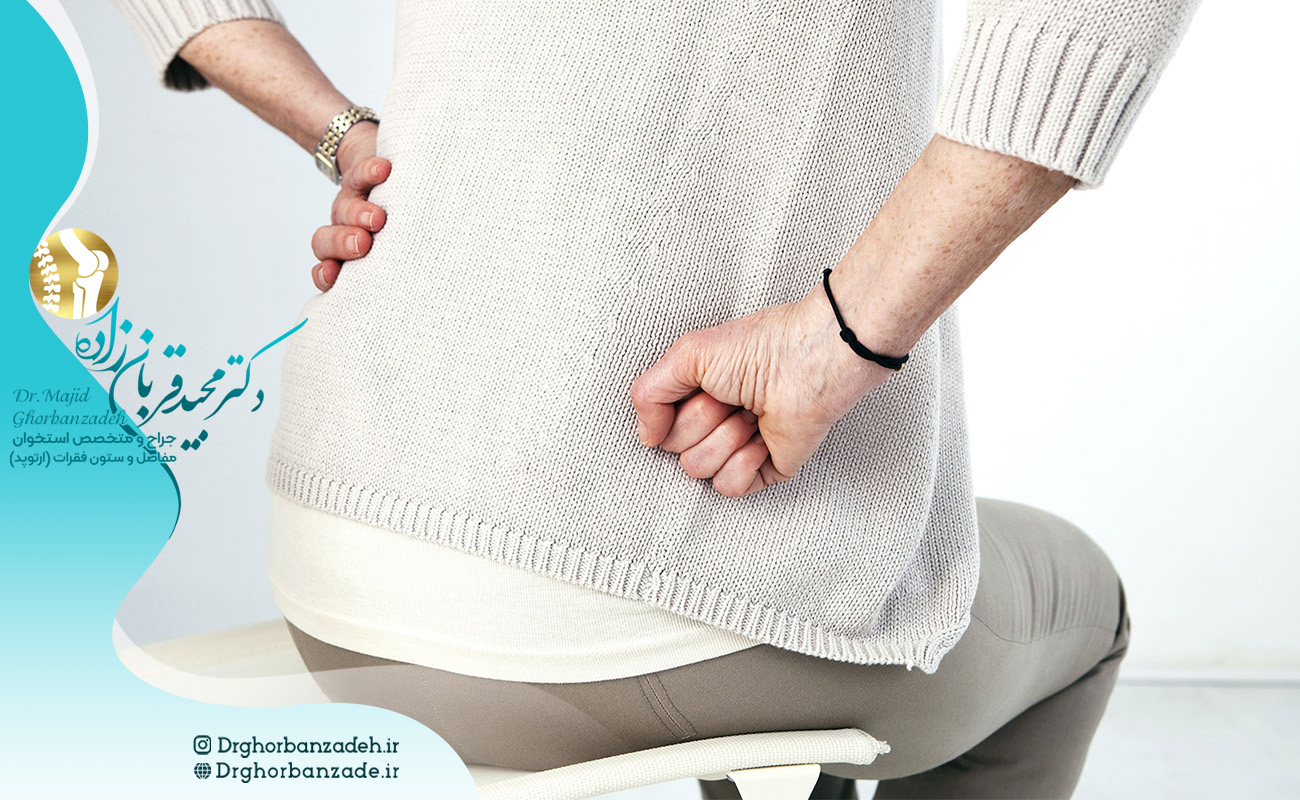
Sometimes people may still experience mild pain in the hip area after a few weeks, the presence of these pains is completely normal even up to four months after surgery.
But this condition is dangerous when it occurs with severe pain and causes movement restrictions. In such cases, you should see a doctor for examination.
After hip or hip arthroscopy, people may need pain medication.
In any case, replacing the hip joint is an issue that you must take care of very carefully after the surgery and use the painkillers prescribed by the doctor if necessary.
If only corrections have been made to the joint due to the arthroscopic operation, you can finally start walking normally two weeks after the surgery.
But if the hip joint replacement has been done, you may even need to rest for 3 to 6 months after the surgery. have and you should start doing normal activities and walking with more caution.
Anyway, it doesn't matter what kind of operation was done in the hip area.
If the operation went correctly and you spent the recovery period safely, after 6 months your body position will be back to its previous state and you can continue walking without restrictions.
Even in this situation, there is no prohibition to exercise, walk and There is not even running.
Necessary care after hip arthroscopy operation
After surgery, the orthopedic specialist gives instructions to the patient to reduce the recovery period and prevent possible complications after the operation.
Also, the patient must follow all the doctor's recommendations for a few weeks to achieve full recovery:
- Healthy and proper nutrition
- Avoid lifting Heavy objects
- Avoid driving
- Avoid long-term walking
- Perform appropriate exercises as prescribed by the doctor
- Avoid smoking
- Perform physical therapy in order to return as quickly as possible to the normal function of the hip joints and flexibility of the joints
- Use crutches to minimize pressure on the surgical site
- Perform normal daily activities with the help of another person
- Using the toilet
- Doing sports and heavy activities
Complications of hip arthroscopy
In general, it can be said that the complications of hip joint arthroscopy are very few and if the operation is not done Read more about hip fracture
Hip arthroscopy is a low-risk surgical procedure and includes short-term complications such as possible swelling. It is fixed very quickly.
Including other possible damages
Of course, this complication may occur in all surgeries.
According to the explanations given, the risks of hip arthroscopy can be summarized in the following:
The surgical instruments used may cause damage to the cartilage of the hip joint.
It can happen in all arthroscopic surgeries. fall, but it is more severe in hip arthroscopy.
This is because the hip joint is stiff, so it will be more difficult to access.
Joint swelling is normal and common in surgery, which usually resolves on its own after a week.
Nerve damage may occur due to stretching of the joint during surgery, which is usually not permanent.
Slight risk of infection and deep vein thrombosis. (blood clots in the legs).
What problems can be solved by arthroscopy in the hip joint area?
Using this method, a large number of diseases and disorders of the hip and hip joints can be treated.
This method can also be used to diagnose problems in the joint area.
Today, this method is very effective and solves many problems in different areas of the body with minimal invasiveness. In the following, we will discuss some of these cases:
- It is used to repair torn cartilage in the hip joint.
- It is used to repair bone cuts.
- Such problems usually occur due to inflammation of the synovial tissue.
- It is used to repair a tear in the labrum of the hip joint.
- In some cases, it is used to remove disturbing tissues inside the joint.
- In some cases, arthroscopy of the hip joint is used to remove bone spurs.
- This method can be used if the components covering the joint are damaged. href="https://www.drghorbanzadeh.com/%d8%af%d8%b1%d9%85%d8%a7%d9%86-%d8%a2%d8%b1%d8%aa%d8%b1%d9%88%d8%b2/">Arthritis treatment
Success rate of hip arthroscopy
 Success rate of hip arthroscopy
 The success rate and obtaining excellent results from hip arthroscopy depends on the type of disease and joint complications.
According to the researches, hip arthroscopy is between 85 and 90% successful and depends on the treatment For patients, fixing the problems and restoring the body to the original state has helped a lot.
Most patients recover completely after arthroscopic surgery.
However, it is still not possible to say for sure how much this operation prevents the development of arthritis, for example, the treatment of floating bodies caused by trauma gives the best results.
If the level of arthritis is mild, the treatment of labrum tears has a good success.
Experience one Patient for arthroscopy of the hip joint
For several months, every time I walked or ran, I felt severe pain in my hip, especially on the right side.
At first I thought maybe there was a problem with my muscle or stretching, but when the pain gradually increased and it bothered me even when sitting and sleeping, I decided to go to the doctor.
After the examination and MRI, Dr. Majid Gurbanzadeh said that the problem is with my hip joint and the best option for me is arthroscopy.
Honestly, I was very scared at first, because I thought the surgery would be big and painful, but Dr. Gurbanzadeh made me very comfortable with his calmness and full explanation of the surgery process and subsequent care.
On the day of the operation, everything was very organized and professional.
After anesthesia, when I woke up, I didn't feel any pain, just a little stretch in my pelvis.
For the first few days, I had to walk with a cane and physiotherapy started.
Fortunately, with the doctor's guidance, I got better every day and now after about a month, I can take long walks again and I even started doing light sports.
Now I can say that my daily life is back without pain and my quality of movement has improved a lot.
Cost of hip arthroscopy
The cost of hip arthroscopy surgery depends on various factors that can greatly affect the cost of hip arthroscopy surgery.
In addition, each surgery includes a series of side costs that increase the cost of the operation, including those that The cost is affected The options include:
Type of operation
Arthroscopy of the hip joint can be used to treat various problems, including labrum tears, arthritis, and tendon injuries.
The type of surgery affects its cost. Depending on the damaged organ and the severity of the damage, the cost of surgery will decrease or increase.
Place of action
The operation cost can be different in different hospitals and surgery centers.
For example, the cost of surgery in public hospitals is much lower than in private centers.
Surgeon and treatment personnel
Different surgeons may charge different fees for hip arthroscopy.
Each surgeon receives a reasonable fee according to his history of treatment and temporary surgeries.
Insurance coverage
If you have health insurance, it may cover part of the cost of the operation, having additional insurance has a significant impact on treatment costs.
FAQ
Is the pain after arthroscopic surgery severe?
Most patients experience less pain after arthroscopic hip surgery, which improves by doing physical therapy exercises and following the doctor's instructions.
How much time is needed for complete recovery?
The recovery time is variable and depends on several factors, including the type of surgery, the level of injury, and the patient's compliance with post-operative instructions.

Dr. Majid Ghorbanzadeh
Surgeon and bone and joint and spine specialist (orthopedic) Knee and hip surgery, arthroscopy, arthroplasty Member of the American Orthopedic Association Has a specialized board and a member of the Orthopedic Surgeons Association Youtube Instagram
8 answers
-
Does arthroscopic hip surgery require anesthesia?
Reply-
Hello, dear friend, usually doctors use local anesthesia for arthroscopy. Since the duration of the operation is not so long, there is no need for anesthesia.
Reply
-
-
How long after the operation is it possible to walk?
Reply-
Hello dear friend, you can walk immediately after the operation, but not for long distances.
Reply
-
-
Is hip arthroscopic surgery covered by insurance?
Reply-
Hello, dear friend, yes, some health insurances cover this surgery.
Reply
-
-
After hip arthroscopy, can we do sports?
Reply-
Hello, dear friend, activities such as cycling and swimming will be possible after 4 weeks.
Reply
-





